

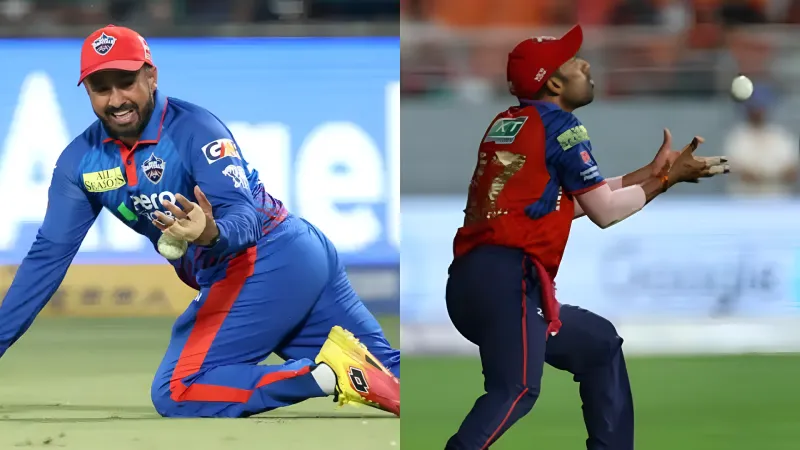

One dropped catch in the power play isn’t a footnote this season. It’s a match result. KL Rahul converted a reprieve into an unbeaten 152. Virat Kohli and Abhishek Sharma both turned early chances into match-defining contributions that their respective bowling sides couldn’t recover from. The teams who spilled those catches didn’t just miss wickets. They handed the opposition’s most dangerous batters a second innings inside the same game, and those second innings have repeatedly decided results when nothing else could. Catching efficiency is no longer a secondary metric. It’s a direct indicator of where franchises finish on the table.
Fielding Errors Flip Match Momentum Instantly
The mechanism is simple and brutal. A batter edging through slip in the third over changes the entire construction of that team’s innings. Instead of rebuilding around someone who needs time to settle, the batting side keeps its most dangerous player at the crease with renewed confidence and a free hit on a bowling attack now carrying self-doubt alongside its plans. Fielding sides don’t just give runs away when catches go down. They concede composure, concede momentum, and concede the psychological edge that early wickets would have handed their bowlers.
Teams like Delhi Capitals and Punjab Kings have felt that the cost multiplies across multiple fixtures rather than resolving after a single bad over. When drops cluster together rather than remain isolated, they reveal a structural fielding problem rather than an unlucky afternoon. Structural problems don’t self-correct between matches, and this tournament’s results are beginning to reflect that clearly.
Rahul and Kohli Convert Reprieves Brutally
KL Rahul’s unbeaten 152 is the most expensive missed catch of this tournament. That innings didn’t just win a match. It was built entirely on a chance that should have ended his time at the crease before it properly began. Kohli and Abhishek Sharma have produced similarly punishing responses to early opportunities missed by fielding sides. What connects all three beyond their individual quality is their ability to reset mentally after the reprieve rather than becoming cautious about their position. They attack. The dropped catch doesn’t make them careful. It removes whatever hesitation might otherwise have existed early in the innings.
Delhi Capitals Pay the Highest Price
Delhi Capitals and Punjab Kings have appeared most frequently in post-match analyses where dropped catches feature as the decisive turning point. Across multiple fixtures, both sides have reprieved batters who then contributed 40 or more runs beyond the moment of the missed chance. In close T20 contests where the margin between winning and losing is measured in single overs, those extra runs are often the entire difference between a result and a collapse. The cost extends well beyond runs conceded.
It disrupts bowling plans built around specific matchups, reduces fielding morale mid-innings, and loads cumulative pressure onto bowlers who already know their best delivery produced a chance that went nowhere.
IPL 2026 Fielding Data Reveals Patterns
IPL 2026 has confirmed across multiple venues and conditions that catching efficiency now correlates directly with points table positioning. Teams maintaining stable selections and fewer lineup changes, RCB and GT both on six changes, have shown more consistent fielding standards throughout the season. Teams cycling through larger squads have shown correspondingly more costly drops at critical moments.
The pattern across matches this season shows that batters reprieved in the first eight overs convert those chances into scores above 40 at a significant rate. In a format where 40 extra runs from a top-order batter swings a total by 25 to 30 runs, the compounding effect of multiple drops becomes a decisive performance gap rather than statistical noise. Franchises serious about playoff qualification have no margin left to treat catching as a secondary discipline.
- Is Delhi Capitals’ fielding inconsistency now a bigger threat to their playoff hopes than their batting or bowling, or can Punjab Kings claim that title first? Drop your pick in the comments and follow for IPL updates.
FAQs
Q: Why are dropped catches so costly in this IPL season?
Modern batters convert every reprieve into significant scores, making each drop a direct contributor to match results.
Q: Which teams are most affected by fielding errors this season?
Delhi Capitals and Punjab Kings have suffered the most, with multiple matches turning after dropped catches gave batters extended innings.
Q: How did KL Rahul’s dropped catch affect his innings this season?
Rahul was reprieved early and converted that chance into an unbeaten 152, the tournament’s most costly missed catch.
Q: Does catching consistency affect IPL playoff qualification?
Teams with stable fielding standards consistently maintain better points table positions than sides that repeatedly concede extra batting lives.
Disclaimer: This blog post reflects the author’s personal insights and analysis. Readers are encouraged to consider the perspectives shared and draw their own conclusions.