

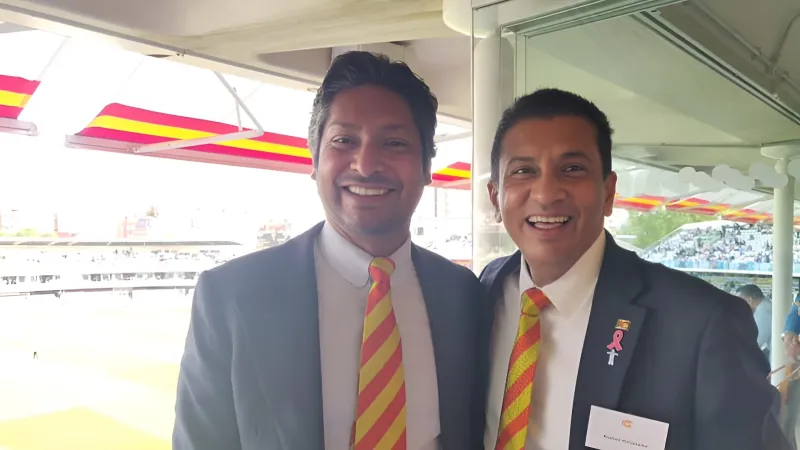

Sri Lanka Cricket has needed a genuine governance overhaul for years. The appointment of Kumar Sangakkara, Roshan Mahanama, and Sidath Wettimuny to a new reform body signals something more serious than a symbolic reshuffle. Whether it produces lasting structural change depends entirely on execution, political neutrality, and whether cricketing expertise is allowed to drive real decisions rather than serve as credible window dressing.
A Governance Reset Long Overdue
Sri Lanka Cricket‘s administrative record is difficult to defend. Repeated cycles of political interference, concentrated power, and weak accountability have undermined the board’s credibility for over a decade. Critics were not wrong. The governance model enabled dysfunction while national cricket paid the price in declining results, player frustration, and ICC scrutiny.
Chairman Eran Wickramaratne leads a committee that combines legal professionals with former international cricketers. That combination is deliberate. Constitutional reform is the committee’s stated first priority, targeting the structural loopholes that allowed administrative networks to entrench themselves and resist meaningful oversight. This isn’t a committee assembled to manage the status quo. Its formation is an institutional admission that the previous model failed.
Sri Lanka Cricket Transformation Committee Structure
The Committee is built around a specific logic: governance reform requires both legal precision and cricket intelligence working together. Legal and corporate expertise can redesign constitutional frameworks and financial accountability systems. Former players like Sangakkara, Mahanama, and Wettimuny provide the cricket-specific context that those frameworks must serve.
Without that balance, governance reform risks producing documents that satisfy administrators but ignore player development, selection integrity, and performance infrastructure. The committee’s structure suggests awareness of that risk. Whether the balance holds under political pressure is a different question, but the architecture is sounder than anything Sri Lanka Cricket has attempted in recent memory.
Sangakkara’s Credibility Changes the Room
Kumar Sangakkara is not a symbolic appointment. He is arguably the most respected Sri Lankan cricket figure of his generation globally, with experience spanning player advocacy, MCC presidency, and franchise cricket leadership. His presence forces the committee to be taken seriously by stakeholders who would otherwise dismiss it as another administrative exercise.
Roshan Mahanama and Sidath Wettimuny add complementary depth. Mahanama brings experience navigating Sri Lanka Cricket’s internal culture. Wettimuny’s prior governance involvement gives the committee institutional memory that prevents repeating historical mistakes. Together, their combined test caps, strategic credibility, and administrative exposure create a cricketing voice strong enough to push back against political convenience. That pushback capacity is what previous reform attempts always lacked.
ICC Pressure and Past Failures
Sri Lanka Cricket has faced ICC intervention twice in the past decade. Administrative instability in 2015 and again in 2023 produced consequences serious enough to threaten international standing, including suspension and restricted operational autonomy. Those precedents aren’t historical footnotes. They are active warnings that the Committee cannot afford to ignore.
What Performance Recovery Actually Requires
Governance reform produces nothing visible on a scoreboard. Sri Lanka’s public will measure this committee’s success through results, and that creates a secondary pressure the committee must manage carefully. Structural reform takes time. Tournament performance doesn’t wait.
The committee’s realistic path to both objectives runs through talent pipeline investment, coach and selector accountability, and domestic cricket infrastructure. Sri Lanka produced world-class players for two decades because systems existed to identify and develop them consistently. Those systems weakened as the administration deteriorated. Rebuilding them requires sustained investment, independent selection processes, and long-term planning cycles that survive changes in political leadership.
If Sangakkara and Mahanama can embed those systems before political appetite for reform fades, Sri Lanka’s cricketing recovery becomes achievable. If they can’t, this committee joins a long list of good intentions that changed nothing.
- Can Sangakkara and Mahanama actually protect this committee from political interference and turn governance reform into on-field results? Drop your take in the comments and follow for Sri Lanka Cricket updates.
FAQs
Q: What is the Sri Lanka Cricket Transformation Committee?
It is a reform body appointed to overhaul Sri Lanka Cricket’s governance, constitutional framework, and long-term performance systems.
Q: Why is Kumar Sangakkara on the committee?
Sangakkara brings global cricket credibility and strategic leadership that forces the committee to be taken seriously by international stakeholders.
Q: What has Sri Lanka Cricket’s ICC history looked like?
Administrative failures in 2015 and 2023 led to ICC intervention, including suspension and restricted board autonomy.
Q: Can this committee actually improve Sri Lanka’s tournament results?
Only if governance reforms produce functioning talent pipelines and independent selection systems that survive political pressure cycles.
Q: Who chairs the Transformation Committee?
Eran Wickramaratne chairs the committee, leading a group that combines legal professionals with experienced former international cricketers.
Disclaimer: This blog post reflects the author’s personal insights and analysis. Readers are encouraged to consider the perspectives shared and draw their own conclusions.